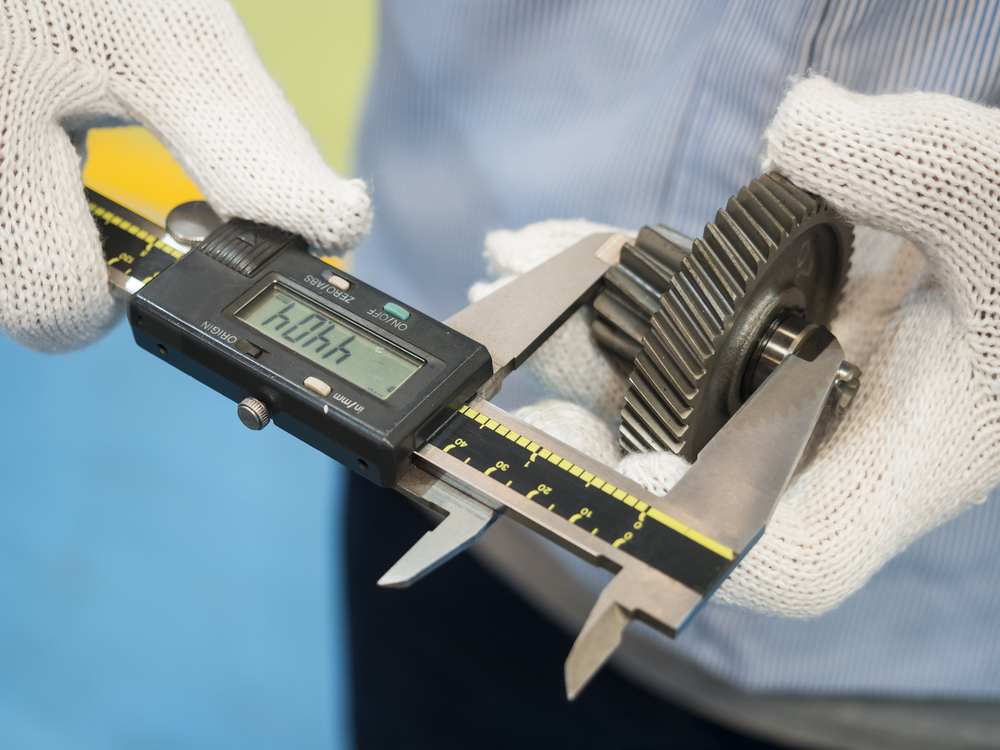
Metal Injection Molding (MIM) is an advanced manufacturing process that enables the production of small, intricate metal parts in high volumes. Similar to plastic injection molding, MIM combines metal powders with plastic bindersto create highly precise components.
MIM is widely used across industries—from automotive to medical devices—because it allows manufacturers to produce parts that are difficult or expensive to make with traditional methods. For professional metal injection molding services in Hugo, MN, contact Preferred Tool, serving all of Minnesota.
The Metal Injection Molding Process
The MIM process transforms metal powder into high-quality, finished parts in several steps:
-
Mixing Metal Powders with Plastic Binders
Metal powders are blended with plastic binders to form a moldable material. -
Injection into a Mold
This mixture is injected into a mold, forming a “green part,” where metal and binder are still combined. -
Binder Removal
Plastic binders are removed using specialized solvents and heat, leaving only metal material. -
Sintering
The metal is heated to high temperatures to fuse the particles together, creating a dense, strong, and durable final part. Precise control is essential to maintain shape and avoid melting.
Why Choose Metal Injection Molding?
MIM is ideal for small, intricate metal parts that require precision and strength. Here are key benefits:
1. Material Versatility
MIM works with a wide range of alloys, allowing parts to meet specific requirements for strength, corrosion resistance, or conductivity.
2. Intricate Part Design
Complex geometries can be achieved with high precision, reducing the need for secondary machining.
3. Porosity Control and Lubrication
The process allows controlled porosity, useful for parts requiring filtration or lubrication.
4. Component Integration
Multiple smaller components can be combined into a single, more complex part, simplifying assembly.
5. Reduced Processing Steps
MIM often eliminates secondary operations like milling or turning, saving time and costs.
6. High-Quality Surface Finishing
MIM can produce parts with smooth, precise surfaces suitable for both industrial and consumer products.
7. Minimal Waste
Material usage efficiency is high, with waste levels as low as 2–5%, contributing to cost savings and sustainability.
8. Cost-Effective for Mass Production
The process is especially economical for high-volume production runs, reducing the cost per part as quantity increases.
When MIM May Not Be the Best Option
MIM may not be ideal for:
-
Simple parts that do not require intricate geometry
-
Low-volume production runs
-
Companies that cannot justify the cost of molds and specialized equipment
In these cases, traditional manufacturing methods like CNC machining, stamping, or die casting may be more practical.
Applications of Metal Injection Molding
MIM is used in a variety of products across multiple industries:
-
Automotive Components: Small fasteners, gears, and structural parts
-
Medical Devices: Surgical instruments, implants, and precision tools
-
Consumer Electronics: Connectors, buttons, and internal metal parts
From tiny components in smartphones to complex automotive parts, metal injection molding is an essential manufacturing method for high-precision, durable metal components.
Conclusion
Metal Injection Molding combines precision, efficiency, and cost-effectiveness to produce complex metal parts in high volumes. Whether for automotive, medical, or electronics applications, MIM offers unmatched flexibility and quality.
For expert metal injection molding services in Hugo, Minnesota, contact Preferred Tool, serving businesses throughout Minnesota. Let us help you bring your high-precision metal components to life.